

From Approved Quote to Global Delivery
Follow a custom request through quote acceptance, secure payment, production coordination, quality review, international shipping, and delivery.
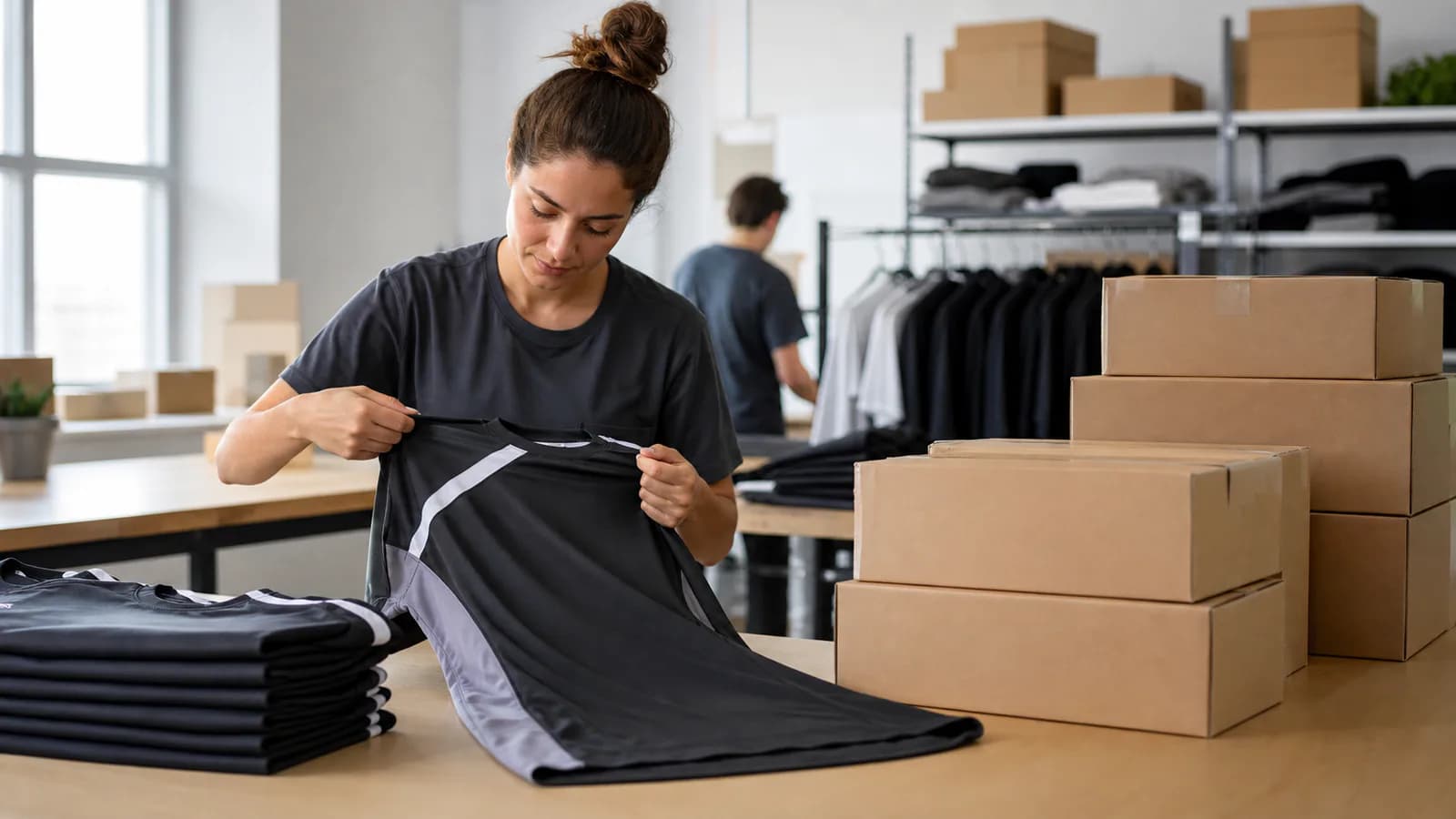
Approving a quote is the point where a design brief becomes an orderable production scope. It does not mean a parcel is already on its way. Payment confirmation, production, quality review, fulfillment, and international logistics each have their own status and responsibilities.
Understanding those stages makes order tracking more useful and helps you know when a change is still possible.
Quote acceptance creates the Product Order
A published quote should describe the product, customization, quantity, pricing, shipping, and validity period for the request. When you accept it, Labelix revalidates the quote and creates the linked Product Order and payment flow.
This transition happens once. The original Custom Request remains the design and quote context; the Product Order becomes the fulfillment record.
Review every surface, print, craft, address, and amount before accepting. A customization solution that is still pending manual review—or whose quote is no longer valid—must be resolved before conversion.
Payment confirmation controls fulfillment
Payments are collected through the platform's enabled payment providers — currently Antom and Onerway. Which methods appear at checkout depends on what is enabled for your destination and currency, so the list you see is not necessarily the full set the platform supports. A browser return page can tell you that the payment journey has continued, but Labelix does not rely on that redirect alone to mark an order as paid. Provider confirmation is reconciled through the payment system before the order advances.
Production should not be assumed to begin from an unpaid or unconfirmed state. Use the order and payment status in your account as the current record.
Production is coordinated by fulfillment group
A Product Order can contain items owned by different suppliers. Labelix groups fulfillment work by the responsible supplier so each group can move through its own production and logistics stages without exposing another supplier's data.
For custom products, production may include material preparation, cutting, printing, embroidery, finishing, and packing. Once production has begun, cancellation is generally restricted because the goods are being made for a specific request and may not be resellable.
Read the Fulfillment Policy before payment if cancellation or return flexibility is a critical requirement.

Quality review checks the accepted scope
Quality review can include visible construction, quantity, garment details, and customization alignment against the approved order context. The purpose is to identify production defects before international shipping, not to redesign an accepted request.
AI previews are helpful creative references, but the order snapshot and confirmed production requirements define the scope. Natural variation in physical materials, screens, lighting, and manufacturing means an AI image cannot function as an exact color or texture standard.
If received goods show a qualifying quality issue, keep the packaging and document the problem promptly with clear photos or video. The Fulfillment Policy explains the evidence and resolution process.
Domestic and international logistics are separate stages
Supplier fulfillment may first move goods to a warehouse or consolidation point. International logistics then carries the shipment toward the customer destination. These stages can progress at different times, especially when an order contains multiple fulfillment groups.
Shipping quotes depend on the destination, parcel data, and selected method. Transit times are estimates rather than absolute commitments because customs, carriers, local delivery, and force-majeure events can affect the journey.
The aggregate order status should move forward as fulfillment evidence arrives. It should not be interpreted as a real-time GPS position for every parcel.
Prepare for customs and delivery
International recipients may be responsible for duties, import taxes, identification requirements, or local clearance actions imposed by the destination. Ensure the recipient name, address, contact details, and cargo information are accurate before submission.
Monitor the order for delivery updates and respond promptly if a carrier or customs authority needs information. Incorrect contact or address details can create delays that are outside normal production handling.
Review the Shipping Policy for current service scope, customs responsibilities, package handling, and delay or loss terms.
Keep the lifecycle clear
The full customer journey is:
- Build and submit a Custom Request.
- Review a valid published quote.
- Accept the quote and create the Product Order.
- Complete secure payment.
- Wait for confirmed payment and production progress.
- Follow fulfillment, quality, and logistics statuses.
- Receive the shipment and report qualifying issues promptly.
Each stage protects a different decision. The request protects design intent, the quote protects scope and price, the payment record protects settlement, and the Product Order protects fulfillment history.
You can review active requests and quotes under Custom Requests and follow converted purchases under Product Orders.
Frequently asked questions
- Does reaching the payment return page mean my order is paid?
- No. The browser return page only tells you the payment journey continued. Confirmation from the payment provider is reconciled before an order is marked paid and advances, so treat the payment and order status in your account as the current record.
- Can I cancel after production has started?
- Generally no. Custom goods are made for a specific request and may not be resellable, so cancellation is restricted once production begins. If cancellation or return flexibility is a critical requirement for your project, read the Fulfillment Policy before paying rather than after.
- Why do items in the same order move at different times?
- An order can contain items from different suppliers, and fulfillment is grouped by the responsible supplier so each group moves through its own production and logistics stages. Domestic consolidation and international transit are also separate stages, so progress is rarely uniform across one order.