

Fabric Weight Explained: What GSM Tells You About a Garment
What grams per square meter really measures, typical GSM ranges for tees and fleece, how weight changes drape and decoration, and why heavier is not automatically better.
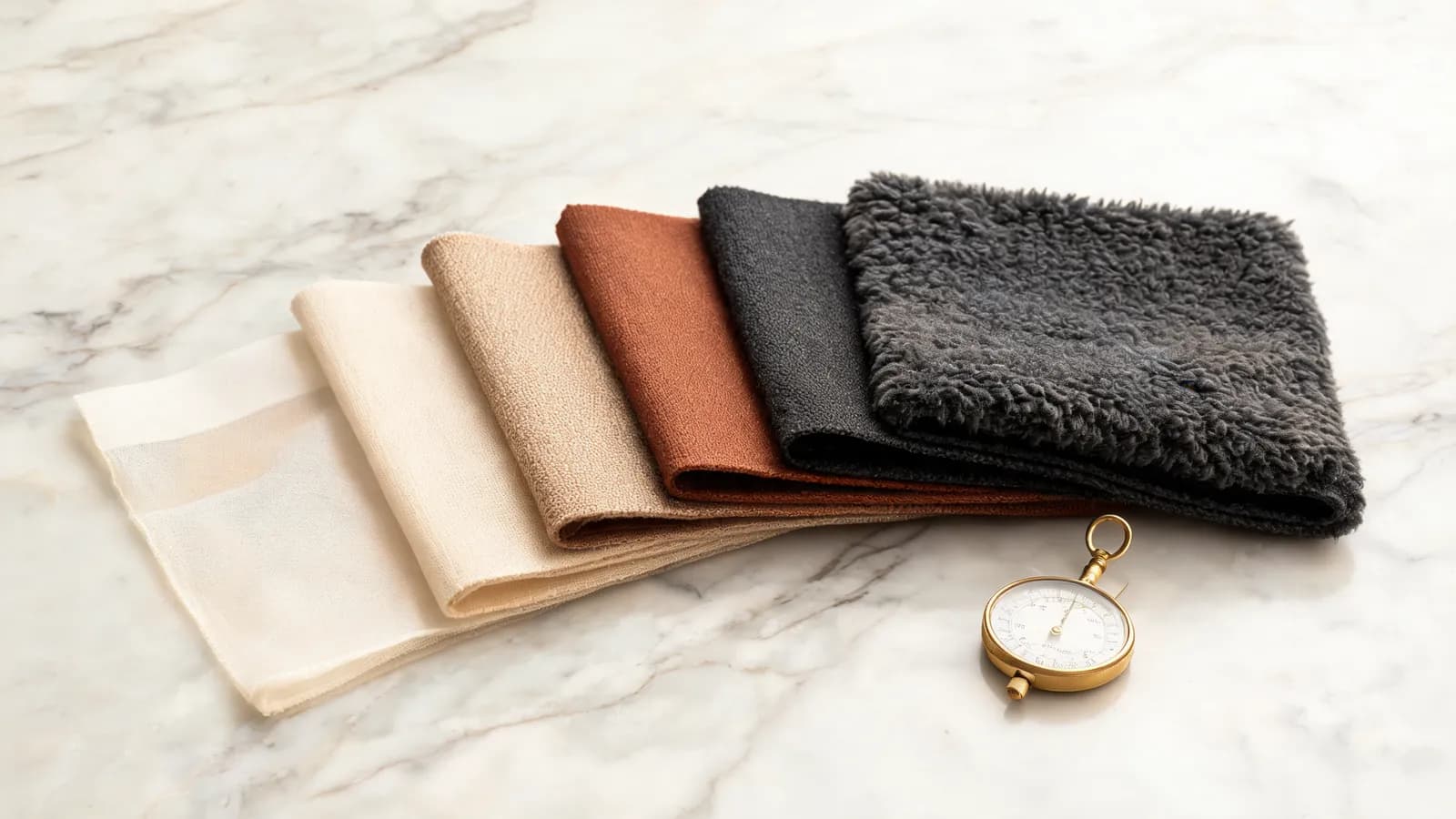
Fabric weight is the single most useful number on a garment spec sheet, and one of the least understood. Measured in grams per square meter (GSM), it tells you how much fabric you are actually getting — and it quietly shapes how a garment drapes, feels, prints, and survives repeated washing.
If you compare two blank t-shirts that look identical in a photo, GSM is usually the difference you can feel but not see.
What GSM actually measures
GSM is the mass of one square meter of the fabric, independent of garment size. A 180 GSM t-shirt uses the same fabric density in size S and size 3XL; the larger shirt simply uses more of it.
Because GSM measures the fabric and not the garment, it is comparable across products. That makes it the fastest way to communicate the "weight class" of a blank without shipping a sample first.
Typical ranges by product type
For everyday cotton and cotton-blend apparel, these bands are a reliable mental model:
- 130–160 GSM — lightweight tees. Soft, breathable, slightly translucent in pale colors. Common for promotional shirts, summer wear, and fashion-fit basics.
- 170–200 GSM — midweight tees. The mainstream choice: opaque, durable, still comfortable in warm weather. Most retail-quality t-shirts sit here.
- 210–280 GSM — heavyweight tees. Structured, boxy drape with a premium hand feel. The backbone of streetwear and "oversized" silhouettes.
- 280–350 GSM — standard fleece. Sweatshirts and hoodies with a brushed or looped interior.
- 350–500 GSM — heavy fleece. Winter-grade hoodies and crewnecks with substantial structure and warmth.
What changes as GSM goes up
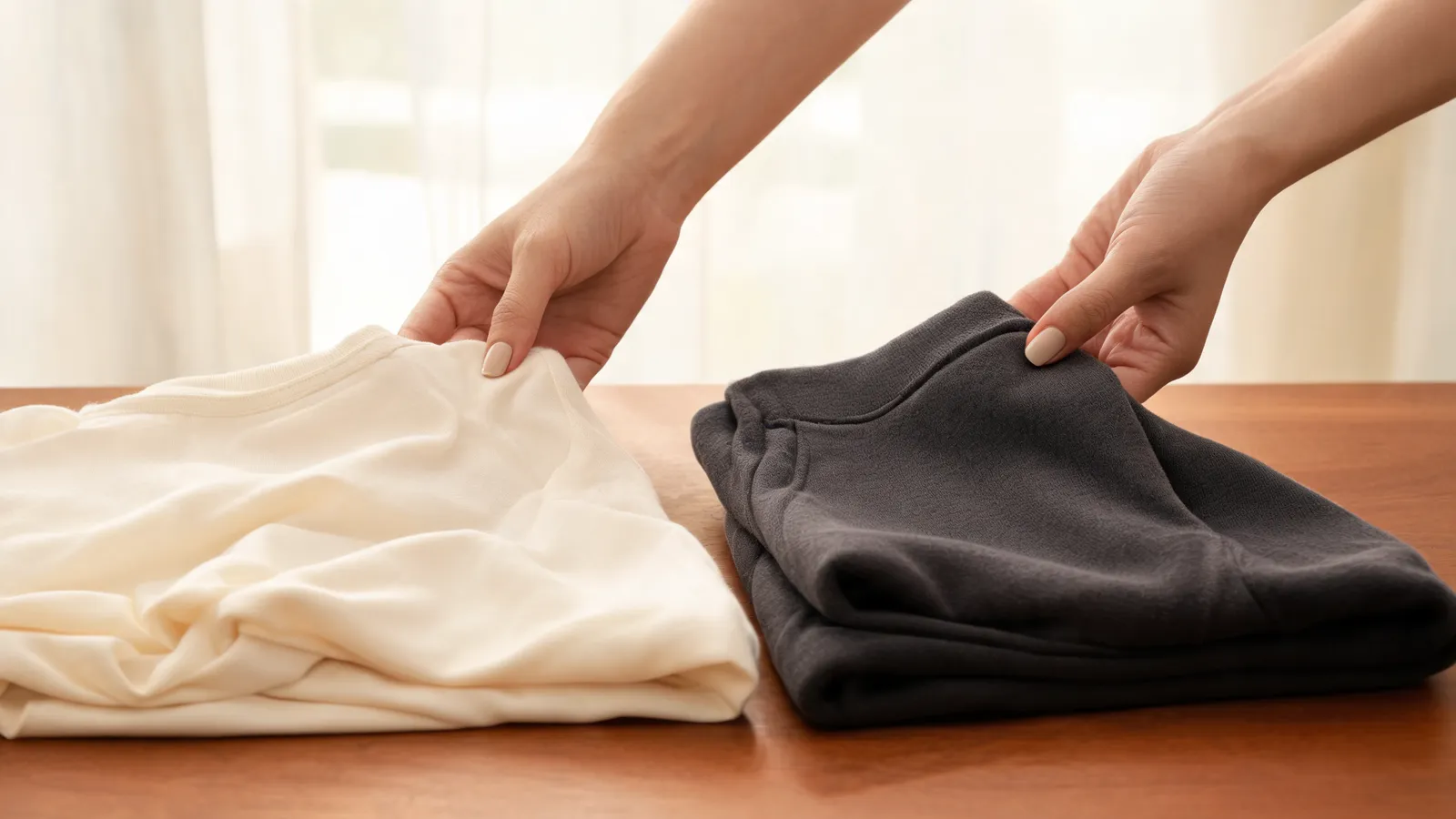
Heavier fabric is more opaque, holds its shape better, wrinkles less, and generally survives more wash cycles before thinning. It also feels more substantial in hand — which customers often read as quality.
The trade-offs are real, though. Higher GSM means more warmth (a problem in hot climates), stiffer drape, higher fabric cost, and heavier parcels, which can raise shipping cost on international orders.
Lower GSM wins on breathability, softness, and drape. A flowy fashion tee is supposed to be light; making it heavier would ruin the silhouette, not improve it.
GSM and decoration
Fabric weight interacts with your decoration choice more than most first-time buyers expect:
- Embroidery needs enough fabric structure to carry stitches without puckering. Midweight and heavier fabrics handle dense embroidery far better than thin jersey.
- Large prints on very light fabric can change how the printed area drapes, since the ink film is stiffer than the fabric around it.
- Heavy garments dye and print evenly, but seams and thick panels can constrain very large placements.
If your design leans on dense stitching or oversized graphics, treat 180 GSM as a sensible floor and go heavier when the product concept allows it.
Weight is not the same as quality
GSM tells you how much fabric there is, not how good the fiber, spinning, or knitting is. A well-made 160 GSM combed-cotton tee can outlast a coarse 220 GSM one. Read GSM together with the fiber content and construction notes on the product page, and order a sample when the hand feel is central to your brand.
When you browse the Labelix catalog, fabric details sit alongside each product's variants, so you can shortlist blanks by weight class before you design. For a broader look at choosing blanks, see Choosing the Right Garment Blank.
Frequently asked questions
- What GSM should a good quality t-shirt be?
- Most retail-quality t-shirts sit between 170 and 200 GSM: opaque, durable, and comfortable in warm weather. Streetwear and oversized fits usually use 210-280 GSM for structure, while lightweight summer and promotional tees run 130-160 GSM.
- Is a higher GSM always better quality?
- No. GSM measures how much fabric is used per square meter, not how good the fiber or knitting is. A well-made combed-cotton tee at 160 GSM can outlast a coarse 220 GSM one. Read GSM together with fiber content and construction, and order a sample when hand feel matters.
- Does fabric weight affect printing and embroidery?
- Yes. Embroidery needs enough fabric structure to carry stitches without puckering, so midweight and heavier fabrics handle it better. Large prints on very light jersey can stiffen the printed area relative to the fabric around it. For dense stitching or oversized graphics, 180 GSM is a sensible floor.