

How to Care for Printed and Embroidered Apparel
Simple washing, drying, ironing, and storage habits that keep prints from cracking and embroidery from snagging, plus what to tell your own customers.
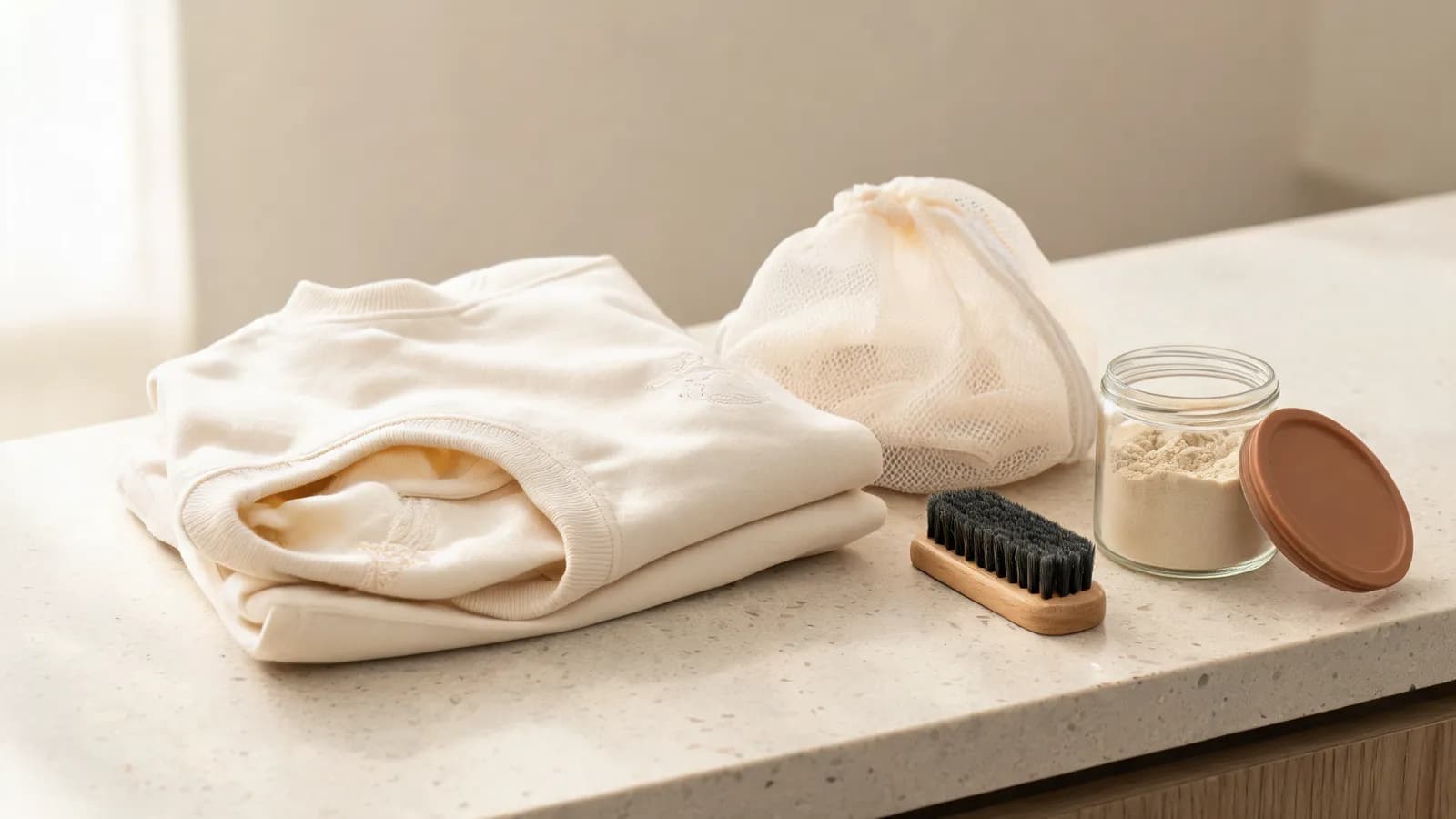
A custom garment carries more than fabric: it carries a print film, stitched thread, or a specialty finish that behaves differently from the cloth around it. Care habits that are harmless on a plain blank — hot water, high-heat drying, ironing straight over the chest — are exactly what shortens the life of decorated apparel.
The good news is that protecting a decorated garment takes no special products. It takes a handful of habits applied consistently.
The universal rules
Whatever the decoration technique, four rules do most of the work:
- Turn the garment inside out before washing. This puts the fabric, not the decoration, in contact with the drum and other garments, reducing abrasion on prints and snagging on embroidery.
- Wash cold, on a gentle cycle. Heat is the main enemy of adhesives and ink films, and agitation is the main enemy of stitched edges. Cold water also slows the general fading of dyed fabric.
- Skip bleach and harsh stain removers anywhere near the decorated area. Chlorine attacks both ink pigments and dyed embroidery thread.
- Air dry when you can. Hanging or flat-drying avoids the tumble-dryer heat that cracks prints and shrinks fabric around stitching. If you must tumble dry, use the lowest heat setting.
Caring for printed garments
Printed graphics — screen print, digital print, heat transfer, foil, and similar surface finishes — form a thin film bonded to the fabric. The film flexes with the garment, but it fatigues under heat and sharp creasing.
Never iron directly over a print. If the garment needs pressing, iron it inside out, or place a cotton cloth between the iron and the printed area and keep the iron moving. Avoid folding garments with a hard crease straight across a large graphic during storage; fold beside or below the print instead.
Metallic and high-gloss finishes deserve extra caution: they show micro-cracking sooner than matte inks, so cold washes and air drying matter even more.
Caring for embroidered garments
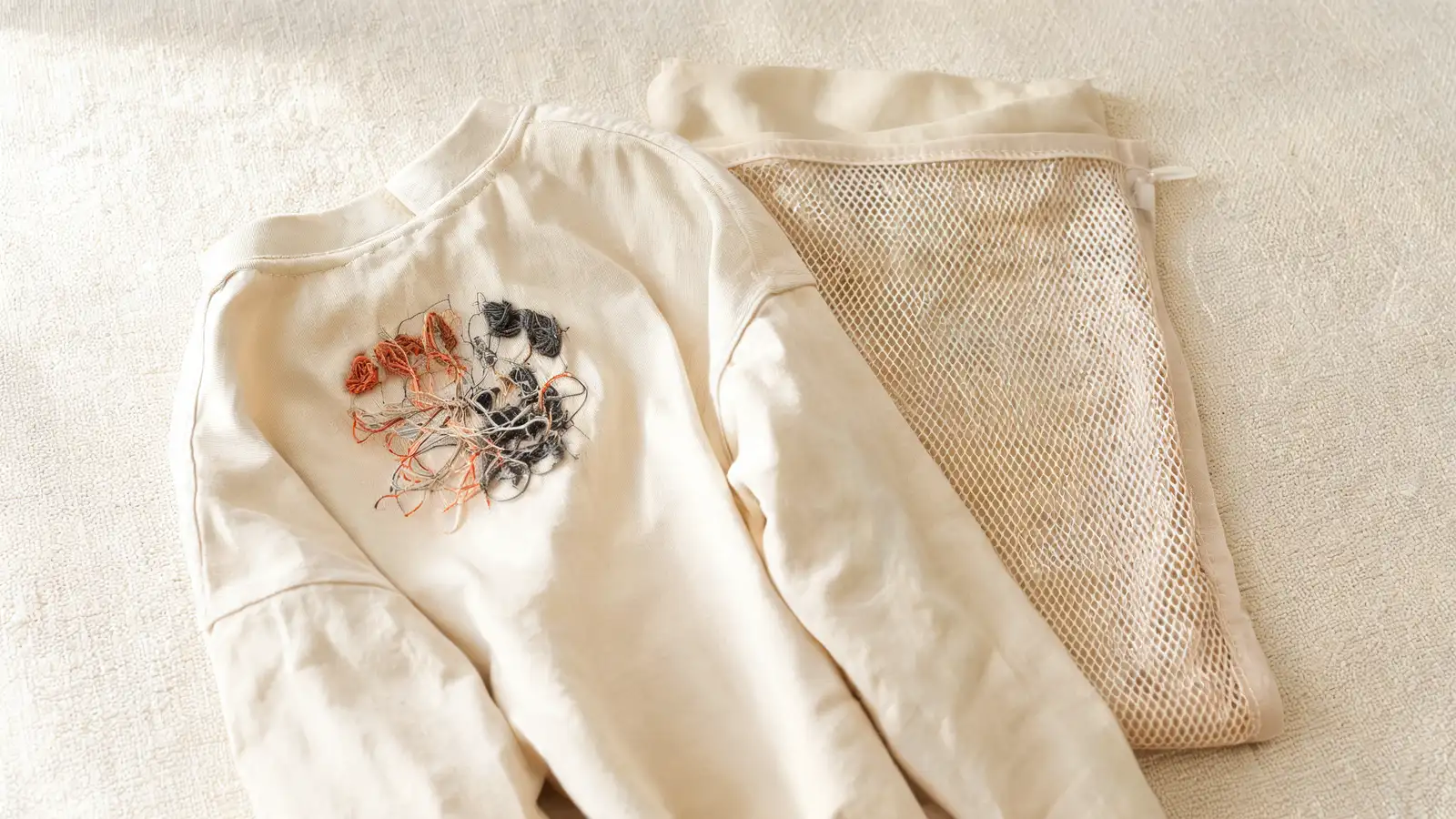
Embroidery is thread, so its risks are mechanical rather than thermal: snags, pulled loops, and puckering. Washing inside a mesh laundry bag protects stitched areas from zippers and hooks elsewhere in the load. If a loose thread appears, do not pull it — trim it carefully with scissors, or the stitch line can unravel further.
Embroidered pieces should be ironed from the reverse side on a soft surface (a folded towel works), so the stitches sink into the padding instead of being crushed flat.
The first wash and long-term storage
Wash decorated garments separately or with similar colors the first time; some dyed fabrics release excess dye in the first cycle. Before the first wear is also the right moment to check care symbols on the garment's label — the fabric's own instructions always take priority when they are stricter than the guidance here.
For storage, fold heavyweight pieces rather than hanging them for months (hangers can distort shoulders), keep garments fully dry before storing, and keep decorated areas away from direct sunlight, which fades both ink and thread.
Set expectations with your customers
If you sell custom apparel under your own brand, care advice is part of the product. A short care note on a hang tag or in your store's FAQ reduces avoidable complaints and keeps your garments looking new for longer. The decoration methods themselves — and how durable each one is — are covered in the Labelix craft library and in Apparel Decoration Techniques.
Frequently asked questions
- How should I wash a shirt with a printed design?
- Turn it inside out, wash cold on a gentle cycle, skip bleach, and air dry when possible. Never iron directly over the print; press the garment inside out or through a cotton cloth with the iron kept moving.
- Why did my print crack after a few washes?
- Heat is the usual cause. Hot water, high-heat tumble drying, and direct ironing fatigue the ink film until it cracks. Hard creases folded straight across a large graphic during storage accelerate the same damage.
- What should I do about a loose thread on embroidery?
- Do not pull it - pulling can unravel the stitch line. Trim the thread carefully with scissors instead. Washing embroidered garments inside a mesh laundry bag helps prevent snags in the first place.